Presidents Report
Our club’s annual summer trip to Colorado was a hit! The Blue Coyote Ranch had excellent accommodations for us all and all the activities planned for that trip were wonderful. I completed another 14er this summer with my snowboarding partner in crime Caleb Loehrs. We saw a very interesting alpine critter that made a chirping noise that sounded like those annoying low battery warning chirps on smoke detectors. The interesting critter was a marmot.
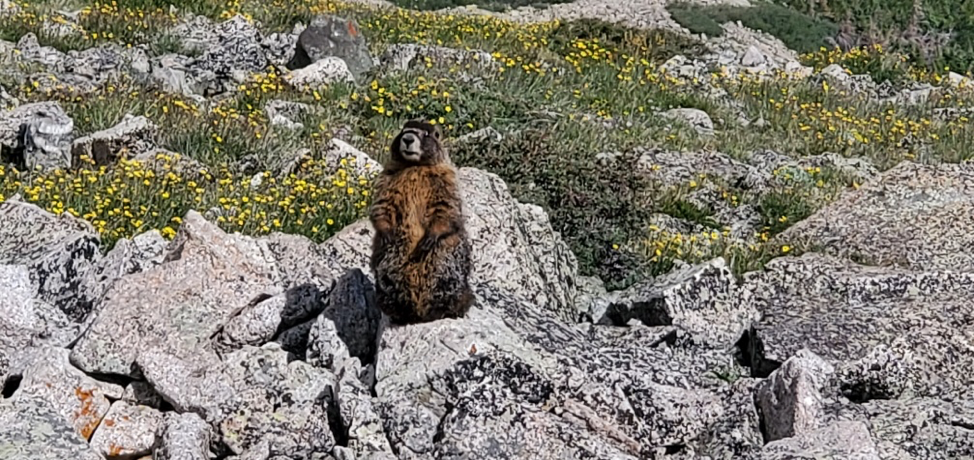
I had never seen marmot and it chirped about 10 times before I figured out it was the marmot chirping and there wasn’t an abandoned smoke alarm on the boulder fields of Mt Princeton. Of course, I had to research these critters when I got home because I wanted to know more about them and how they survive at such high altitudes in such a barren landscape of boulders.
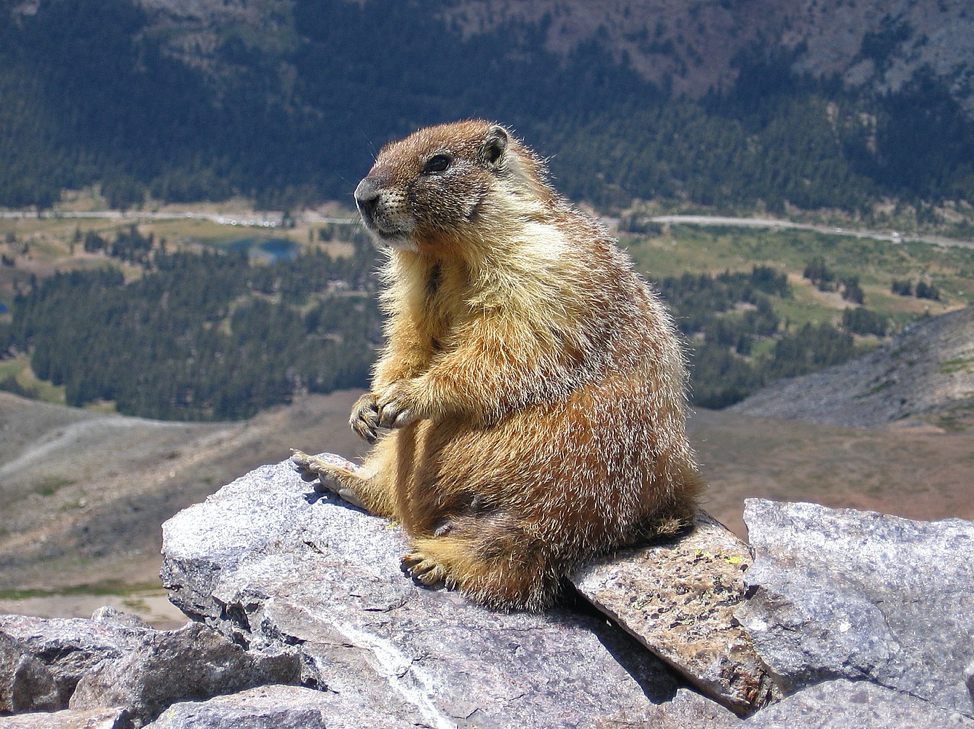
Marmots are large reddish-brown ground squirrels that have dense fur, short tails, and short powerful legs used for burrowing. They do not dwell in trees like their arboreal cousins. Marmots prefer open habitat that gives them the opportunity to spot predators at a distance and run for cover. They frequently live in mountainous regions, forest edges, meadows, and tundra. Marmots take advantage of rocks to search for predators, using the higher vantage point to spot danger from farther away. Like many other social animals, marmots sound an alarm at the presence of danger. When a marmot spots a potential predator it releases a sharp whistle, alerting all other animals in the vicinity to take cover. Some species of animals think marmots make a good meal; to avoid potential predators that may dig them out of their burrows. Marmots prefer to live in rocky terrain or cliff sides. Pesky rocks prevent predators, like grizzly bears, from digging the marmots out of their homes. There are 15 species of marmots. The species we encountered was the yellow-bellied marmot. Yellow-bellied marmots are also known as rock chucks. Groundhogs and Alaska marmots are other examples of marmot species.
Marmots are vegetarian, and feed mostly on grasses. They can also eat berries, lichens, mosses, roots, and flowers. Because grass is typically low in nutritional value, marmots must feed almost constantly to store enough fat for the winter. Like all rodents, marmots’ teeth constantly grow, and thus they must chew a lot. The marmot we saw didn’t have long teeth and was plump so it must have been enjoying the summer grasses on Mt. Princeton, getting ready for winter. Like many other members of the squirrel family, marmots hibernate through the winter months. They survive on the fat they have stored throughout the winter, and conserve energy by slowing their metabolism. Hibernation varies by species, but some marmots will hibernate up to nine months. Yellow-bellied marmots spend about 80% of their lives in their burrows, 60% of which is spent in hibernation.
So, next time you go for an alpine hike keep an eye out for yellow-bellied marmots!
Karla